My swimmer is unhappy...what should I do?
A Message from Shaina (Shay) Miller, Association Aquatics Director, YMCA of the Sandhills
I often hear from parents who are worried about their kids crying at swim lessons and feeling like they need to drop the class. I’m here to let you know it’s normal, and stay the course.
Children do sometimes cry during swim lessons, for several reasons.
- It is a natural and very normal response to a new and sometimes challenging experience.
- Feeling fear or anxiety during new settings is natural for all of us. Think about the last time you had a first experience doing anything – taking a class, starting a new job, meeting new people. How did you feel in those moments? Nervous? Excited? Anxious? Overwhelmed?
Children feel those same feelings. They just don’t have the ability to vocalize them or even to understand them. The “butterflies” they feel in their tummies can even feel scary and confusing, which can compound the discomfort they feel.
Crying is often their way of communicating the discomfort and releasing the stress. We want children to be comfortable expressing their discomfort.
Crying can also be associated with the natural fight/flight/freeze response. This response is the brain’s natural, primitive way of protecting the body in situations it has interpreted as high risk. If your child is experiencing a fight/flight/freeze response, please be understanding. They are not “acting out” or “misbehaving”. A child experiencing fight/flight/freeze is not in control of the action.
During this situation your swimmer needs strong support, security and patience to allow the brain to come out of this response on its own. Our coaches/instructors have experience and training in these situations and will involve a parent if they need to. Otherwise, we encourage parents to take a deep breath and know it’s okay.
At the YMCA, we not only understand these responses, but we also welcome them. We know many children may be less than enthusiastic during the first few lessons as they adjust to the environment and learn our expectations. That’s ok with us. Most children will feel more secure by the third or fourth lesson simply because they are more familiar with the structure and have bonded with the coach.
How You Can Help Your Swimmer
Give your child to the coach: Our coaches/instructors are specially trained to help overwhelmed children through these challenging experiences. Your ability to trust the instructor also transfers to your child and helps them feel secure and confident.
Disappear: Find a place where you can see your child, but your child cannot see you. This gives your child the opportunity to focus solely on the instructor. The sooner we build a trust and bond with the coach, the faster the child will
Praise, praise, praise! Children need to know they are brave. The more you focus on praising courage and acknowledging their accomplishments the more confident and reassured they feel.
Attend every lesson: Regular attendance allows the child to feel, and the coach to reinforce, security and comfort on a schedule. No matter what, bring them to class. It will get better, little by little, with every experience. Your coach is committed to helping your child but can’t do it without the child present.
Be understanding and encouraging: Learning to swim efficiently and proficiently is HARD! It’s important a swimmer is completely supported through that process. Our program focuses on pushing to potential while respecting the swimmer’s learning process, which is affected by many things: child development, coordination, physical, emotional, and cognitive readiness, strength, and many other factors.
Keep in mind that children are in a continuous state of physical growth, which means their bodies change often. Skills mastered at one body size may no longer be mastered after a growth spurt. Progress isn’t always in one direction but is a zig zag of accomplishment. Don’t be discouraged if your child seems to get “stuck” or lose a skill. Be patient and committed. The skills will come with continuity and practice. Just keep praising and encouraging your swimmer. That’s what they need.
We're here for you and your swimmer!
Y NEWS AND EVENTS

APRIL 12-19: FAMILY MEMBERSHIP SPECIAL!
We're celebrating families in a BIG way April 12-19! Join the Y April 12–19 and we’ll waive the join fee on all Family memberships — that’s a $69 savings. Plus, we’ll include 2 complimentary Parents’ Night Out registrations* (a $30 value) to give parents a well earned break and kids a fun night at the Y with games, crafts, swimming and more. Get all the details here!
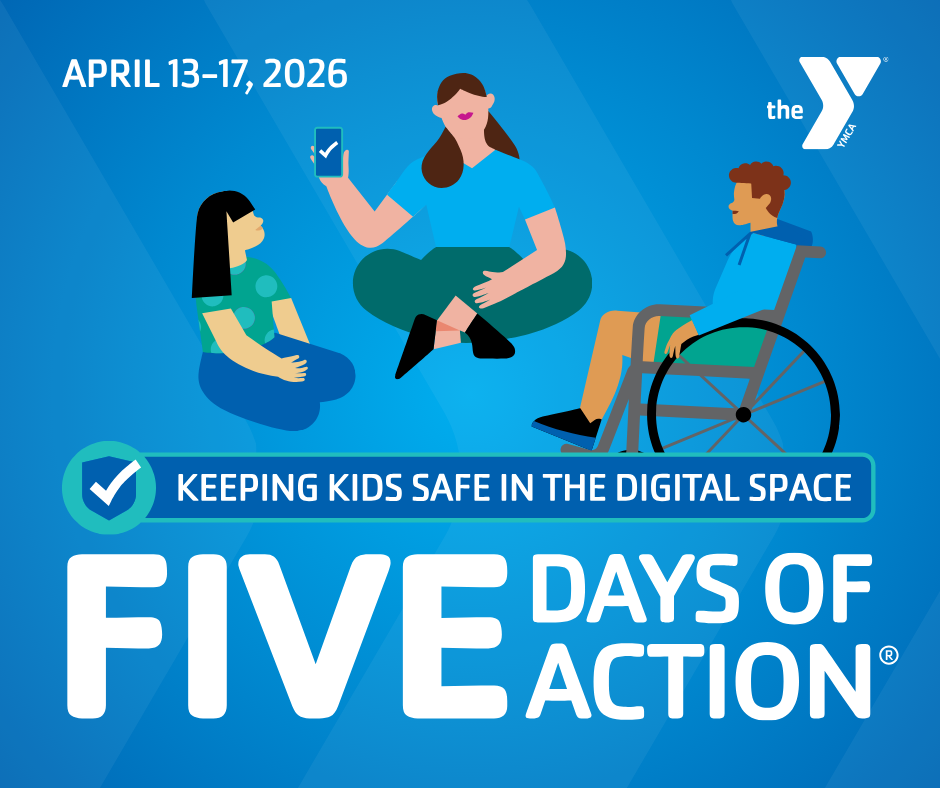
KEEPING KIDS SAFE ONLINE
The Y is joining the nationwide Five Days of Action intiaitive April 13-17 with a focus on keeping kids safe, especially online. Learn more and access resources here.
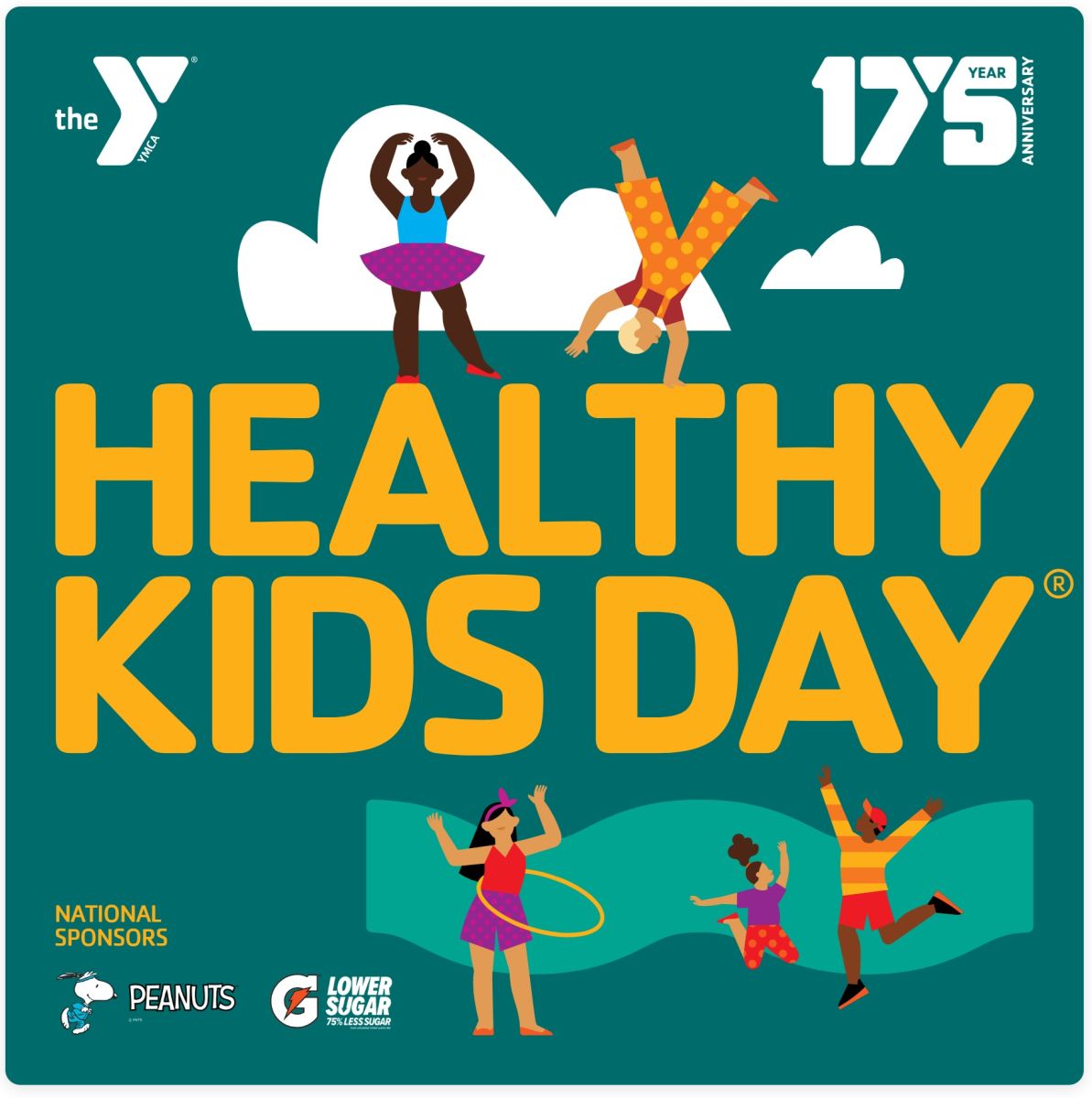 SAVE THE DATE:
APRIL 18!
DIABETES AND EYE HEALTH: APRIL 30